Best Adventure Trips with Friends in Summer in India
Some friend groups are built for lounging on beaches. Others need adrenaline. If your squad is the kind that measures a trip's success by how hard your heart was pounding, this guide is for you. India is a paradise for adventure travel — the Himalayas in the north, roaring rivers in the foothills, vast deserts in the west, dense jungles in the east, and a coastline that stretches for thousands of kilometers. From the rapids of the Ganges to the high-altitude passes of Ladakh, here are the most thrilling adventure destinations in India for a summer trip with your closest friends. Buckle up — it's going to be a wild ride.
1. Rishikesh, Uttarakhand — India's Adventure Capital

Rishikesh is where most Indian friend groups get their first taste of adventure travel. Perched on the banks of the Ganges in the foothills of the Himalayas, this small city packs an enormous punch: world-class white-water rafting with Grade III–IV rapids, India's highest commercial bungee jump (83 meters), cliff jumping, giant swings, camping on riverside beaches, and the spiritual energy of yoga and Ganga Aarti — all within a 6-hour drive from Delhi. For a short but action-packed trip with friends, there is nowhere better in India.
Top adventures: White-water rafting is the headliner — choose between the 16 km stretch (Brahmpuri to Rishikesh, 3–4 hours, Grade II–III rapids, great for first-timers) or the full 26 km stretch (Shivpuri to Rishikesh, 5–6 hours, Grade III–IV rapids including the legendary "Roller Coaster" and "Golf Course" rapids). The bungee jump at Jumpin Heights is 83 meters of freefall — about 5 seconds of pure terror and joy. The giant swing drops you 40 meters before swinging you like a pendulum over a forested valley. Cliff jumping ranges from 20 to 40 feet into deep pools of the Ganges (supervised by professionals). After all the adrenaline, settle into a riverside camp at Shivpuri with bonfires, barbecues, and star-gazing.
Where to stay: River camps at Shivpuri and Marine Drive are the quintessential Rishikesh experience — packages start at ₹1,200–2,500/person and include tents, meals, rafting, and a campfire. Hostels like Zostel, GoStops, and Moustache in Tapovan offer dorm beds for ₹500–800/night. Budget hotels near Laxman Jhula from ₹800/night.
Budget estimate: ₹4,000–8,000/person for a 2–3 day trip. Rafting costs ₹1,000–2,500, bungee ₹3,550, giant swing ₹3,550, and cliff jumping ₹500. Buses from Delhi are ₹500–800 one way. You can do rafting + camping for under ₹3,000/person if you skip bungee.
2. Ladakh — The Ultimate Motorcycle Expedition

For sheer scale of adventure, nothing in India compares to a Ladakh bike trip. The Manali–Leh highway (474 km) and the Srinagar–Leh highway (434 km) traverse some of the most dramatic landscapes on Earth — high-altitude deserts, glacial rivers, mountain passes above 17,000 feet, and roads that cling to cliff edges. Doing this on Royal Enfields with your closest friends is a rite of passage for adventure travelers in India. The riding season is June to September — outside of this, the highways are closed due to snow.
Top adventures: Ride over Khardung La (17,582 ft — one of the world's highest motorable passes), camp at Pangong Tso (the breathtaking blue lake that changes colors throughout the day — yes, the 3 Idiots lake), traverse the Tanglang La, Chang La, and Zoji La passes, explore Nubra Valley's cold desert with double-humped Bactrian camels at Hunder, raft on the Zanskar River (Grade III–IV rapids in a high-altitude gorge surrounded by towering cliffs), trek to Stok Kangri base camp, mountain bike through the Markha Valley, and explore ancient monasteries at Thiksey, Hemis, and Diskit.
Pro tips: Acclimatize in Leh for at least 2 days before riding to high passes — altitude sickness is real and can be dangerous. Drink 4–5 liters of water daily, avoid alcohol for the first 2 days, don't rush, and descend immediately if you feel persistent headaches, nausea, or breathlessness. Carry basic bike repair tools, extra warm layers, and a first-aid kit. Get your Inner Line Permit (ILP) online before arrival — it's required for Pangong, Nubra Valley, and other restricted areas.
Budget estimate: ₹15,000–30,000/person for 7–10 days. Bike rental in Manali costs ₹1,200–2,000/day for a Royal Enfield (Himalayan or Classic 350). Fuel, permits, food, and camping are additional. Splitting a rented car (Innova/Xylo) among 4–5 friends is another option at ₹3,000–5,000/person/day including fuel and driver.
3. Spiti Valley, Himachal Pradesh — The Middle Land
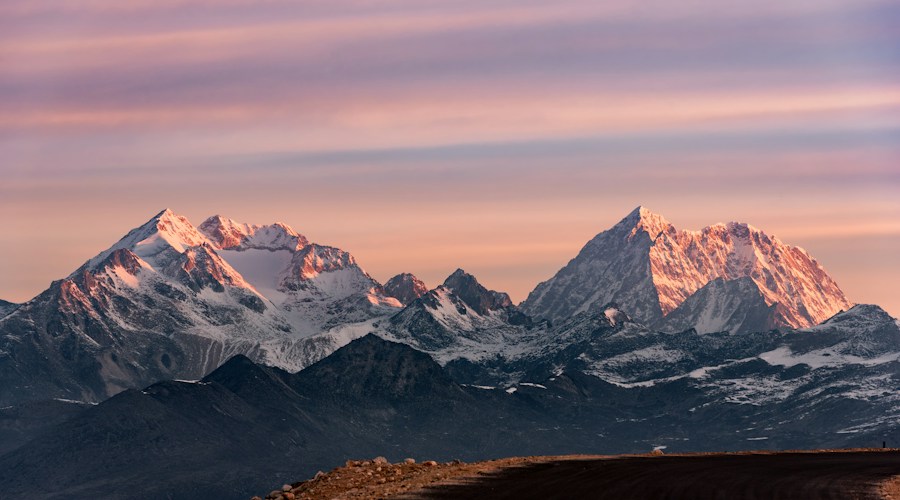
Spiti Valley is Ladakh's quieter, equally stunning sibling. Sitting at 12,500 feet in a high-altitude desert, Spiti offers ancient Buddhist monasteries (Ki, Tabo, Dhankar), crystal-clear rivers, some of India's highest villages, and the kind of isolation that makes the modern world feel very far away. The road from Manali to Kaza (Spiti's main town) via the Kunzum Pass is an adventure in itself — unpaved, narrow, and breathtakingly beautiful, with river crossings and cliff-edge driving that will test your nerves and reward you with views you'll never forget.
Top adventures: Drive the legendary Manali–Kaza road (one of India's most dramatic drives, usually open June–October), camp at Chandratal Lake (the "Moon Lake" at 14,100 feet — the perfectly circular, turquoise lake surrounded by barren mountains is surreal), trek from Chandratal to Hampta Pass (a 4–5 day trek through glacial valleys), explore 1,000-year-old Ki Monastery (perched on a cliff face like a Tibetan fortress), star-gaze at some of India's clearest night skies (Spiti has zero light pollution — the Milky Way is visible with the naked eye), go mountain biking from Kaza to Kibber (one of the world's highest inhabited villages at 14,200 ft), and visit the mummy of a 500-year-old monk at Gue village.
Where to stay: Homestays in Kaza, Kibber, Langza, and other villages cost ₹800–1,500/night including home-cooked meals. Camps near Chandratal from ₹1,500/person. The Spiti experience is about living with locals, eating their food (thukpa, momos, butter tea), and hearing their stories.
Budget estimate: ₹10,000–20,000/person for 6–8 days. Self-drive or hire a taxi from Manali (₹15,000–25,000 for a 7-day circuit, split among friends). Buses run from Manali to Kaza but are slow and irregular.
4. Bir Billing, Himachal Pradesh — Paragliding Capital of India
Bir Billing is India's top paragliding destination and one of the best in the world — it hosted the Paragliding World Cup in 2015. The takeoff point at Billing (2,400 m) and landing site at Bir offer a 25–30 minute tandem flight over lush green Kangra Valley, Tibetan settlements, and tea gardens with the Dhauladhar mountain range as a backdrop. The flight itself is exhilarating — you're running off a mountainside and suddenly you're airborne, gliding silently above the world. For a friend group that wants a short but unforgettable adrenaline hit, Bir Billing delivers in spades.
Top adventures: Tandem paragliding (₹2,500–3,500/flight — the views are extraordinary, and most pilots do acrobatic swoops if you ask), camping and trekking to Rajgundha Valley (a hidden village accessible only on foot — 2-day trek), mountain biking on forest trails, visiting Tibetan monasteries and the Deer Park Institute (founded by Dzongsar Khyentse Rinpoche), trying Tibetan food (momos, thukpa, butter tea), and exploring the Bir tea gardens.
Where to stay: Hostels like Zostel Bir, The Hosteller, and Colonel's Resort from ₹500–1,000/night. Camps with mountain views from ₹800/night. Airbnbs and cottages for groups from ₹2,000/night.
Budget estimate: ₹5,000–10,000/person for 3 days. Overnight buses from Delhi to Bir cost ₹800–1,200. A quick, high-impact adventure trip perfect for a long weekend.
5. Meghalaya — Caves, Canyons, and Living Bridges

Meghalaya is India's adventure frontier — a place where nature has created landscapes so dramatic they feel like a fantasy movie. The living root bridges of Cherrapunji (made from the roots of rubber fig trees, grown over decades by the Khasi tribe), the deepest and longest caves in the Indian subcontinent, the crystal-clear Dawki River, and the dramatic canyons make this northeast state an incredible adventure destination for friend groups. May is the sweet spot — the landscape is green and lush, but the heavy monsoon rains haven't started yet.
Top adventures: Trek to the Double Decker Living Root Bridge in Nongriat (a challenging 3,500-step descent and ascent through dense tropical forest — the bridge itself is over 150 years old and still growing), explore the Krem Mawmluh and Mawsmai caves (Krem Mawmluh is India's fourth longest cave at 7.2 km — bring a headlamp and prepare to crawl), go boating on the transparent Dawki River (Umngot River — the boats appear to float in mid-air because the water is so clear), drive to Laitlum Canyon for panoramic views of cloud-filled valleys, swim in natural rock pools and waterfalls (Rainbow Falls near the Double Decker Bridge is stunning), cliff diving at Krang Suri waterfall (a turquoise pool at the base of a cascading waterfall), and zipline at Mawkdok Valley (one of the longest ziplines in India — 800 meters across a valley).
Where to stay: Guesthouses and homestays in Shillong from ₹600–1,500/night, camps and cottages near Cherrapunji from ₹1,000/night, homestays in Nongriat village from ₹500/night (basic but atmospheric — you'll sleep in a bamboo hut near the root bridges).
Budget estimate: ₹12,000–20,000/person for 5 days. Flights to Guwahati from Delhi/Mumbai cost ₹5,000–8,000 return. Hire a car from Guwahati to Shillong (₹2,000–3,000, split among friends). Internal travel between Cherrapunji, Dawki, and Shillong by shared taxi or rented car.
6. Manali & Solang Valley — The All-Rounder
Manali has been India's go-to mountain adventure destination for decades, and for good reason. Solang Valley — just 14 km from Manali town — is an adventure playground offering paragliding, skiing (in winter), zorbing, ATV rides, and rope activities in a stunning valley setting. In summer, the snow melts to reveal green meadows and wildflowers, and the adventure activities shift to rafting, paragliding, and trekking. Old Manali's café culture adds a relaxed social element after a day of adventure.
Top adventures: Paragliding from Solang Valley (₹1,500–3,000, 10–15 minute flights with valley views), river rafting on the Beas River (₹1,000–2,000 for 12–14 km, Grade II–III rapids), zorbing and ATV rides at Solang, trekking to Hampta Pass (a 4-day trek from green valleys to stark desert landscapes — one of India's most scenic treks), Beas Kund trek (a beautiful 3-day trek to the glacial source of the Beas River), visiting Rohtang Pass for snow (permit required — ₹550, book online), and camping in Sethan village (an isolated hamlet above Manali with panoramic views).
Where to stay: Zostel and The Hosteller in Manali from ₹500–800/night. Old Manali guesthouses and cottages from ₹800–2,000/night. Group cottages in Solang or Sethan from ₹3,000–5,000/night (split among 4–6 friends).
Budget estimate: ₹7,000–14,000/person for 5 days. Overnight Volvo buses from Delhi cost ₹800–1,500 one way. Activities add ₹3,000–8,000 depending on how much adventure you want.
7. Coorg (Kodagu), Karnataka — Trekking in Coffee Country
Coorg is an unexpected adventure destination — most people think of it as a relaxed coffee-plantation hill station, but it actually offers excellent trekking, white-water rafting, and wildlife experiences. Tadiandamol, Coorg's highest peak at 1,748 meters, is a rewarding trek through shola forests and grasslands. The Barapole River offers Grade III–IV white-water rafting that rivals Rishikesh in intensity. And the misty, green landscape makes every activity feel like you're in a nature documentary.
Top adventures: Trek to Tadiandamol peak (12 km round trip, moderate difficulty, stunning 360° views from the top — especially magical during sunrise), white-water rafting on the Barapole River (₹1,200–2,500/person, Grade III–IV rapids over a 4 km stretch), jeep safari at Dubare Elephant Camp (interact with trained elephants — bathing and feeding, ₹500–1,000), zip-lining and rope courses at Coorg Jungle Camp, exploring coffee and spice plantations with tastings, visiting the Namdroling Monastery (Golden Temple) in Bylakuppe (one of the largest Tibetan settlements outside Tibet — the golden statues inside are breathtaking), and chasing waterfalls — Abbey Falls, Iruppu Falls, and Chelavara Falls are all stunning.
Budget estimate: ₹5,000–12,000/person for 3–4 days. Drive from Bangalore (5–6 hours) or Mysore (3 hours). Homestays in coffee estates from ₹1,500/night per room — these are the best way to experience Coorg, with home-cooked Coorgi food (pandi curry, akki roti, bamboo shoot curry) and coffee straight from the plantation.
8. Auli, Uttarakhand — The Meadow of Adventure
Auli is famous as a winter ski destination, but in summer (May–June) it transforms into a lush green meadow with panoramic views of Nanda Devi (India's second highest peak at 7,816 m), Kamet, Mana Parvat, and other Himalayan giants. The 4 km Auli Ropeway (one of Asia's longest cable cars) offers jaw-dropping views. It's also the starting point for the legendary Valley of Flowers trek and the Kuari Pass trek — two of India's most beautiful high-altitude treks.
Top adventures: Take the Auli Ropeway (₹750 return — the views of snow-capped peaks from the cable car are breathtaking), trek to Kuari Pass (4–5 day trek, moderate difficulty, passes through dense oak and rhododendron forests with 270° Himalayan panoramas — also called the "Curzon Trail"), visit Joshimath (the base town and winter seat of Adi Shankaracharya), drive to Badrinath (one of the Char Dham pilgrimage sites, 40 km from Joshimath), trek to Gorson Bugyal (a high-altitude meadow with wildflowers in summer — 3 km one way), and explore the Valley of Flowers (UNESCO World Heritage Site, open July–September, 15 km from Joshimath — an alpine valley filled with hundreds of species of wildflowers).
Budget estimate: ₹8,000–15,000/person for 4–5 days. Buses from Delhi to Joshimath (14–16 hours) cost ₹700–1,200. Guesthouses in Auli and Joshimath from ₹800/night. Guided treks (Kuari Pass, Valley of Flowers) cost ₹6,000–12,000/person including camping, food, and guide.
9. Dandeli, Karnataka — The White Water and Wildlife Hub
Dandeli in northern Karnataka is a hidden gem for adventure lovers. The Kali River offers some of the best white-water rafting in South India, while the surrounding Dandeli Wildlife Sanctuary is home to black panthers, tigers, elephants, and hundreds of bird species. The combination of river adventures, jungle camping, and wildlife makes Dandeli perfect for a group that wants both adrenaline and nature immersion — without the crowds of more popular destinations.
Top adventures: White-water rafting on the Kali River (9 km stretch, Grade II–III rapids, ₹800–1,500/person — the rapids are named "The Wall," "Roller Coaster," and "Piano"), kayaking and canoeing on calm stretches of the river, jungle safari in Dandeli Wildlife Sanctuary (morning safaris have the best chances of spotting hornbills, Malabar giant squirrels, and if you're lucky, a black panther), crocodile spotting at Syntheri Rocks (massive granite rock formations with a river gorge), rappelling, zip-lining, and rope courses at adventure camps, night camping in the jungle with bonfires and star-gazing, and visiting Supa Dam for sweeping views of the backwaters.
Where to stay: Jungle camps and adventure resorts like Dandeli Jungle Camp, Kali Adventure Camp, and Bison River Resort offer packages from ₹1,500–3,000/person including meals, rafting, and activities. These camps are set deep in the forest with the sounds of the river and wildlife around you — an experience in itself.
Budget estimate: ₹4,000–9,000/person for 2–3 days. Drive from Goa (3 hours), Bangalore (8 hours), or Hubli (2 hours). One of South India's most affordable and exciting adventure trips.
10. Zanskar Valley, Ladakh — The Final Frontier
If Ladakh is India's adventure capital, Zanskar is its wildest frontier. This remote valley, accessible only in summer when the passes open (June–October), is one of the most isolated inhabited regions in India. The Zanskar River cuts through a deep gorge, creating some of the most spectacular white-water rafting in the world — a multi-day expedition through a canyon so deep the sun reaches the river for only a few hours each day. For friend groups who've done Ladakh and want the next level, Zanskar is it.
Top adventures: Multi-day Zanskar River rafting expedition (3–5 day trips through the Zanskar Gorge, Grade III–IV rapids, camping on river beaches — this is one of the world's great river journeys), trekking the Padum–Darcha trail (a challenging 10-day trek through remote valleys and high passes), visiting Phugtal Monastery (a 2,500-year-old monastery built into a cliff face — accessible only on foot), exploring the medieval villages of Padum and Zangla, and crossing the Pensi La pass (4,400 m) on the road from Kargil to Padum.
Budget estimate: ₹20,000–40,000/person for 7–10 days. Organized Zanskar rafting expeditions cost ₹15,000–25,000/person for 3–5 days (including guide, food, camping gear, and transport). Reach Padum via Kargil (12-hour drive on a rough road) or by trekking from Manali side. This is a serious adventure that requires planning, fitness, and a group that's up for the challenge.
Essential Tips for Adventure Trips with Friends in India
- Fitness matters: Don't underestimate the physical demands. Start basic cardio training 4–6 weeks before treks, high-altitude trips, or multi-activity days. Even a "moderate" trek like Kheerganga or Tadiandamol will be tough if you're not prepared.
- Travel insurance is non-negotiable: Adventure activities are often excluded from basic travel insurance policies. Get a policy that explicitly covers rafting, trekking, paragliding, and other activities you plan to do. It costs ₹500–1,500 for a week and could save you lakhs in case of an emergency.
- Gear up properly: Invest in good trekking shoes (don't do Hampta Pass in sneakers), a rain jacket, and layering clothing. For high-altitude trips (Ladakh, Spiti, Auli), thermal layers and a down jacket are essential even in summer — nights at 14,000+ feet can drop below freezing.
- Altitude awareness: If going above 3,000 meters (Ladakh, Spiti, Auli), acclimatize gradually. Don't ascend more than 500 meters per day above 3,000 meters. Stay hydrated (4–5 liters/day), avoid alcohol on arrival, and descend immediately if symptoms worsen (persistent headache, vomiting, confusion).
- Book guides for technical activities: Canyoning, glacier crossings, cave exploration, and advanced treks require certified guides. Don't wing it — the mountains don't forgive mistakes. Reputable operators like Trek The Himalayas, India Hikes, and Bikat Adventures offer guided treks with safety equipment.
- Leave no trace: Pack out all your trash, stay on marked trails, and respect local communities and wildlife. Adventure travel comes with a responsibility to protect these places for future travelers. Carry a trash bag on every trek.
- Group first-aid kit: Carry a basic kit with altitude sickness medication (Diamox — consult a doctor before use), painkillers, bandages, antiseptic, ORS packets, and any personal medication. In remote areas, the nearest hospital can be hours away.
Quick Comparison: Which Adventure Suits Your Group?
| Destination | Adventure Type | Difficulty | Budget/Person |
|---|---|---|---|
| Rishikesh | Rafting, Bungee, Camping | Easy–Moderate | ₹4,000–8,000 |
| Ladakh | Biking, Road Trip | Moderate–Hard | ₹15,000–30,000 |
| Spiti Valley | Road Trip, Trekking | Moderate–Hard | ₹10,000–20,000 |
| Bir Billing | Paragliding, Trekking | Easy | ₹5,000–10,000 |
| Meghalaya | Caving, Trekking, Cliff Diving | Moderate | ₹12,000–20,000 |
| Manali/Solang | Paragliding, Rafting, Trekking | Easy–Moderate | ₹7,000–14,000 |
| Coorg | Trekking, Rafting, Wildlife | Easy–Moderate | ₹5,000–12,000 |
| Auli | Trekking, Cable Car | Moderate | ₹8,000–15,000 |
| Dandeli | Rafting, Wildlife, Camping | Easy–Moderate | ₹4,000–9,000 |
| Zanskar | Expedition Rafting, Trekking | Hard | ₹20,000–40,000 |
Final Thoughts
An adventure trip with friends isn't just a vacation — it's a bonding experience that pushes you all beyond your comfort zones and creates stories you'll tell for decades. India offers world-class adventure at a fraction of international prices — you can raft Grade IV rapids for ₹1,500, paraglide over the Himalayas for ₹3,000, and bike over the world's highest passes for the cost of fuel and a rental bike. The key is to match the adventure level to your group's fitness, experience, and appetite for thrills. Whether you choose a weekend rafting trip in Rishikesh or a 10-day Ladakh expedition, summer 2026 is your window — so stop planning in the group chat and actually book it.
Plan your next adventure trip on ComfortMyTrip — flights, stays, and inspiration for every kind of traveler.